




Not sure? Worried?
The earlier you check, the sooner you get peace of mind!
They are more frequent than most people realize and nothing to be ashamed of.
With modern medicine, the vast majority of conditions are easily managed or fully cured.
Addressing it early is the fastest way to protect your health and regain your peace of mind.
They are more frequent than most people realize and nothing to be ashamed of.
With modern medicine, the vast majority of conditions are easily managed or fully cured.
Addressing it early is the fastest way to protect your health and regain your peace of mind.
But in reality:
Many infections are silent
You may still carry and spread it
It can affect your partner unknowingly
- Includes testing for Syphilis, Gonorrhea, Chlamydia, and more.
- Our process is fast, safe, and strictly confidential.
- Early detection is crucial for effective long-term health outcomes.
- Allows for early management and proactive prevention strategies.
- An emergency treatment that must be started within 72 hours of exposure.
- Specifically for high-risk exposure—the sooner you start, the better the outcome.
- Designed for high-risk individuals to stay protected.
- Clinically proven to reduce the risk of HIV by up to 99%.
Let our medical doctors guide you based on your specific situation.
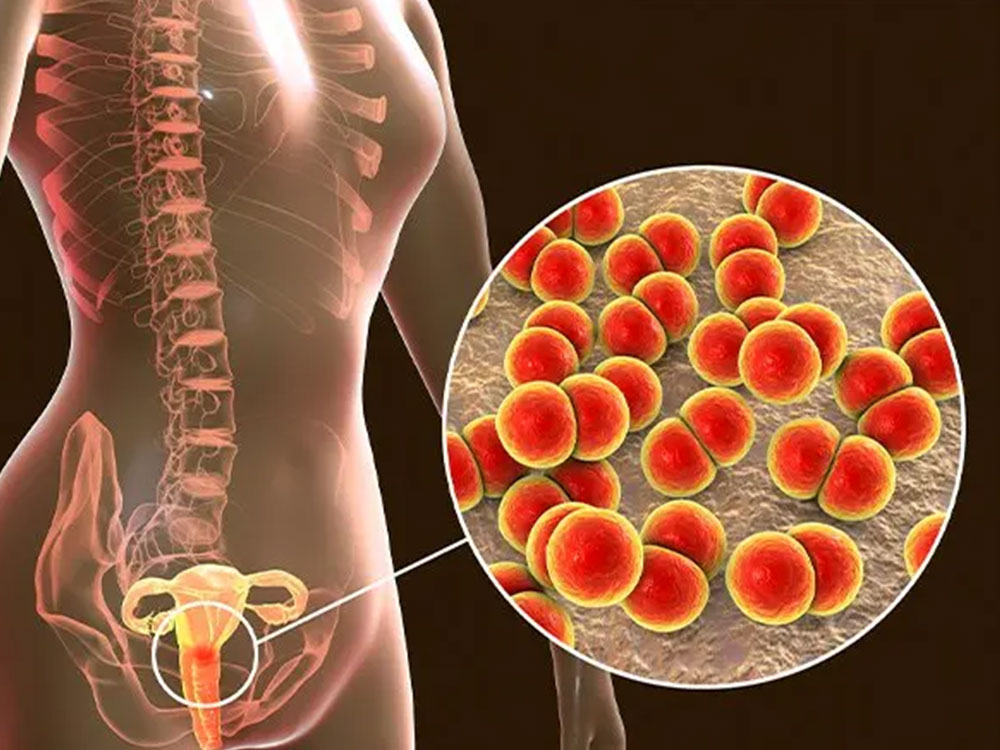
Syphilis is a bacterial infection that often starts silently without obvious symptoms. While early signs may include painless ulcers, leaving it untreated can lead to severe complications affecting the brain, heart, and nervous system.
– Confirmation: Diagnosis via blood tests such as RPR or TPHA.
– Staging: Determining if the infection is in an early or late stage.
– First-line Treatment: Administration of Penicillin injections.
– Early Stage: Typically requires a single dose.
– Late Stage: Weekly injections over three weeks (3 doses).
– Follow-up: Blood tests at 3, 6, and 12 months to ensure the infection is completely cleared.
– Practice regular screening if you are sexually active.
– Consistent condom use.
– Seek early treatment to prevent permanent damage to the brain and heart.
Gonorrhea is a bacterial infection that can affect the genital tract, throat, or rectum. While it can be asymptomatic (showing no signs), common symptoms include discharge and painful urination.
– Testing: Diagnosed through a urine or swab test.
– Medication: A combination of an antibiotic injection and oral medication.
– Combination Therapy: This approach is used to combat potential antibiotic resistance.
– Test of Cure: A re-test is conducted after 1–2 weeks to confirm the infection is gone.
– Ensure protection through condom use.
– Avoid contact with untreated partners.
– Early treatment is vital to prevent long-term complications like infertility.
Chlamydia is a very common STD that frequently presents no symptoms. However, if left untreated, it can lead to serious reproductive complications.
– Initial Testing: Diagnosed through a urine or swab test.
– Confirmation: Verification of the infection by medical professionals.
– Medical Treatment: A course of oral antibiotics, typically lasting 7 days.
– Follow-up: Monitoring is required if any symptoms persist after treatment.
– Routine Screening: Essential because the infection often shows no symptoms.
– Concurrent Treatment: Both partners must be treated to prevent re-infection.
– Avoid Reinfection: Take proactive steps to ensure the infection does not return.
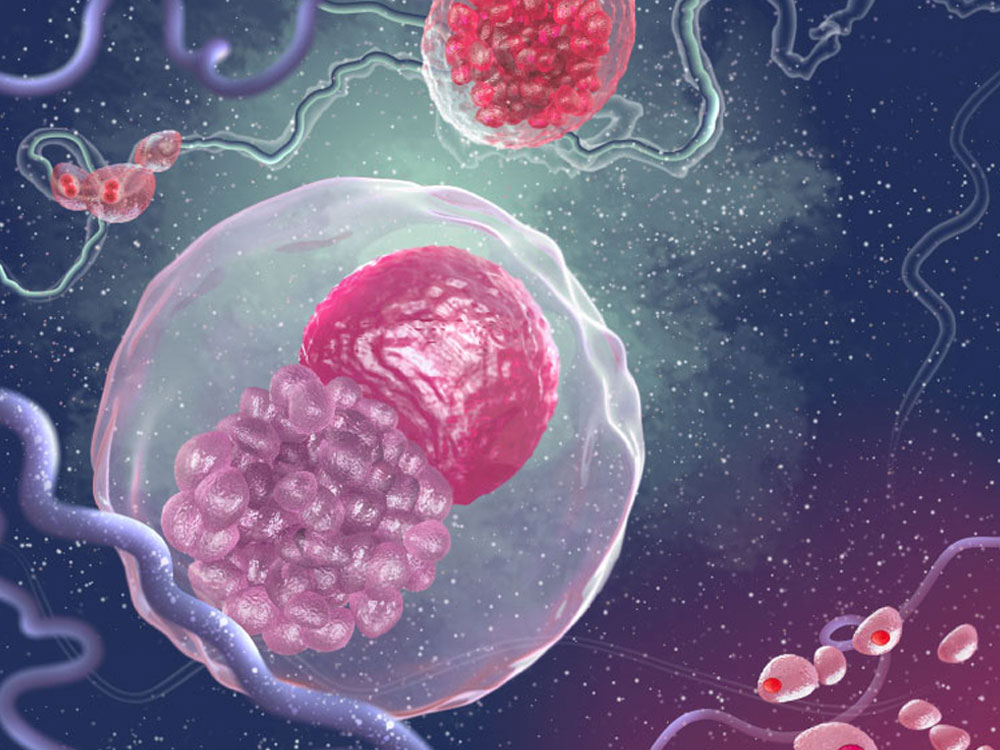
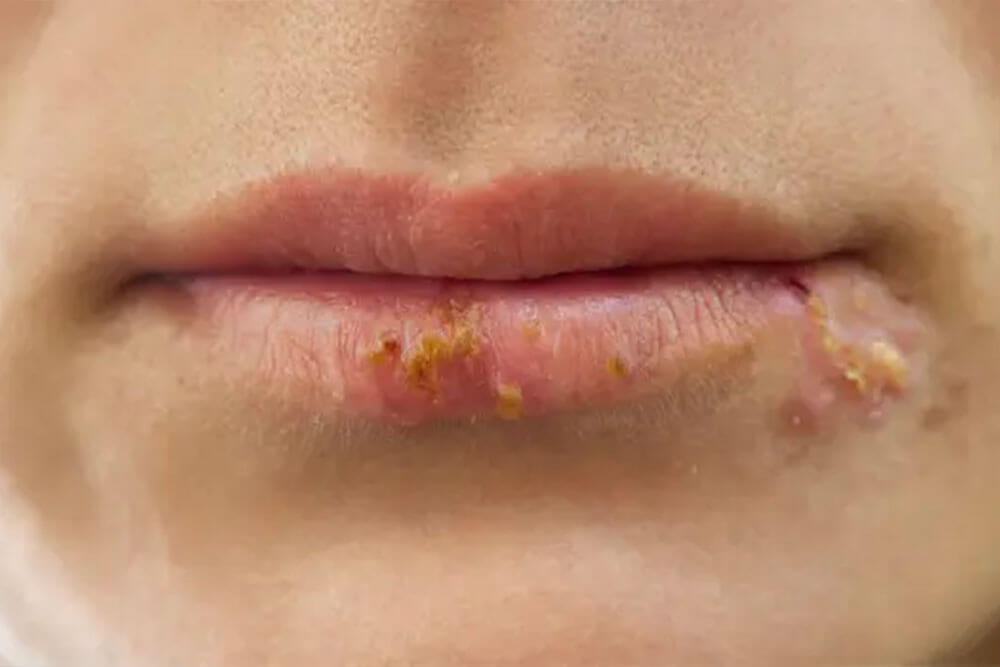
Herpes is a viral infection that causes recurrent blisters or ulcers. Once contracted, the virus can remain in the body and reactivate periodically.
– Clinical Diagnosis: Identification of physical signs such as blisters or ulcers.
– Additional Testing: Swab or blood tests are conducted if needed for confirmation.
– Antiviral Medication: Use of Acyclovir or Valacyclovir to manage the virus.
– Short Course: Administered during an active outbreak.
– Long-term Suppression: Recommended for individuals with frequent recurrences.
– Contact Management: Avoid physical contact during an active outbreak.
– Protection: Condom use reduces risk, though it is not 100% effective against HSV.
– Manage Triggers: Maintain health to avoid triggers such as stress and low immunity.
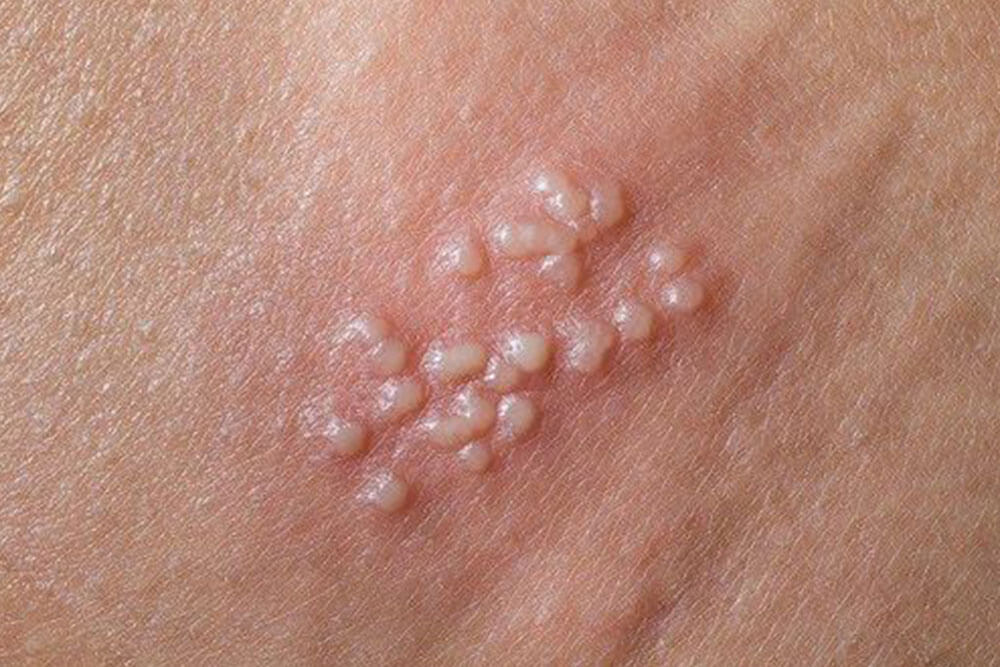
HPV is a very common viral infection. Certain strains of the virus cause genital warts, which typically appear as small bumps or cauliflower-like growths.
– Clinical Assessment: A professional diagnosis to confirm the condition, as not all bumps are warts.
– Wart Removal (Core Treatment): Options include Cryotherapy (freezing), Electrocautery/Laser removal, or topical treatments for specific cases.
– Immune Management (Key Step): Because the virus can remain in the body, supporting the immune system is crucial to reduce the risk of recurrence.
– Follow-Up: Ongoing monitoring for recurrence and repeating treatment if necessary.
– Avoid skin-to-skin contact during an active outbreak.
– Consistent condom use (reduces risk, but is not 100% effective against HPV).
– Manage lifestyle triggers such as stress and low immunity.
Important: Removing visible warts does NOT mean the virus is gone from your system. Ongoing management is important for your health and to prevent spreading the virus.
HIV is a virus that attacks the body’s immune system. Early detection is vital because it allows for effective long-term control of the virus and prevents transmission to others.
– Confirmation: Diagnosis is confirmed through a blood test.
– Immediate Action: Initiation of Antiretroviral Therapy (ART) or an immediate medical referral.
– Long-term Monitoring: Continuous health management, including viral load tracking and immune system monitoring.
– PrEP (Pre-Exposure Prophylaxis): A daily preventive medication that offers up to 99% protection.
– PEP (Emergency): Post-Exposure Prophylaxis that must be started within 72 hours of high-risk exposure.
– General Safety: Consistent condom use and regular diagnostic testing.
The whole process is simple, fast, and strictly CONFIDENTIAL.
While some infections show no symptoms at all, you should be proactive about your health.
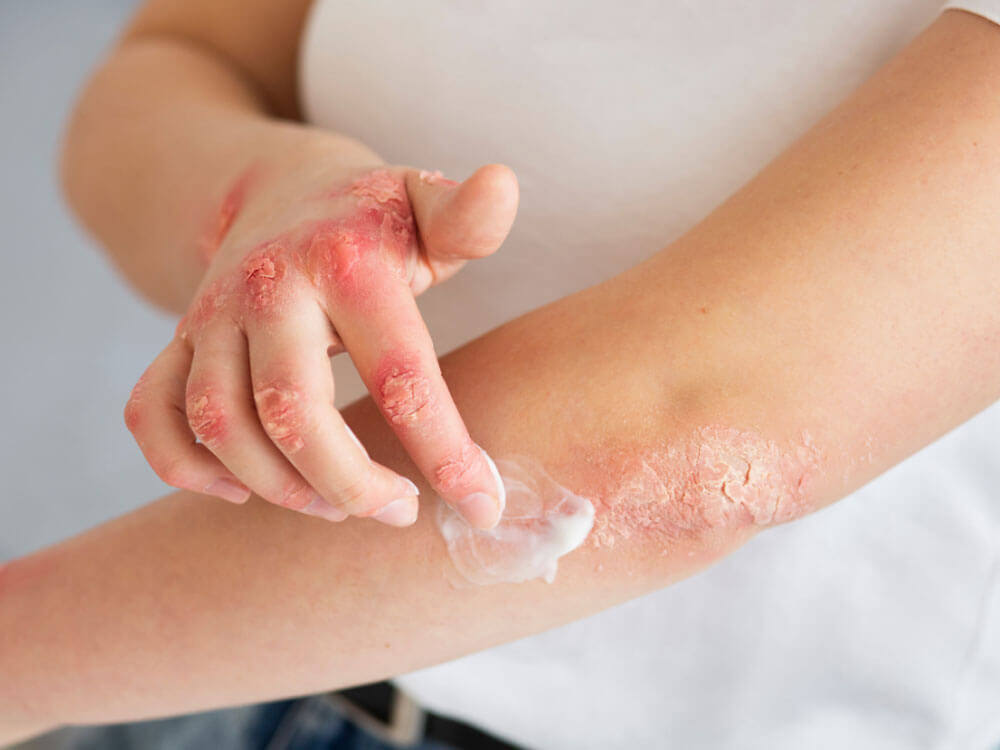
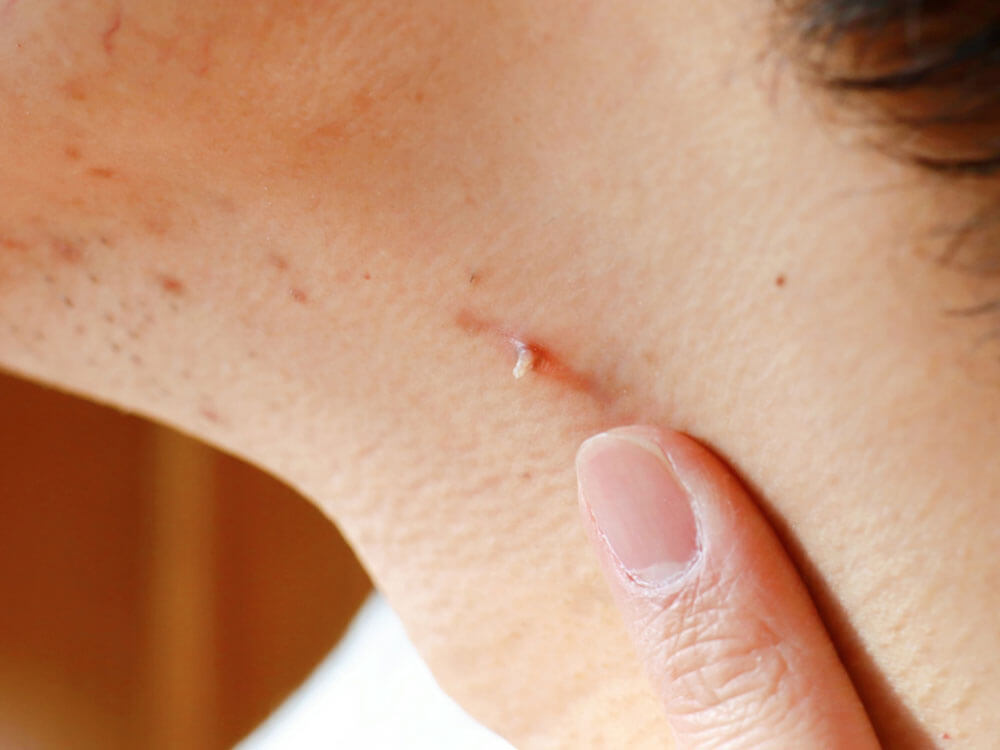
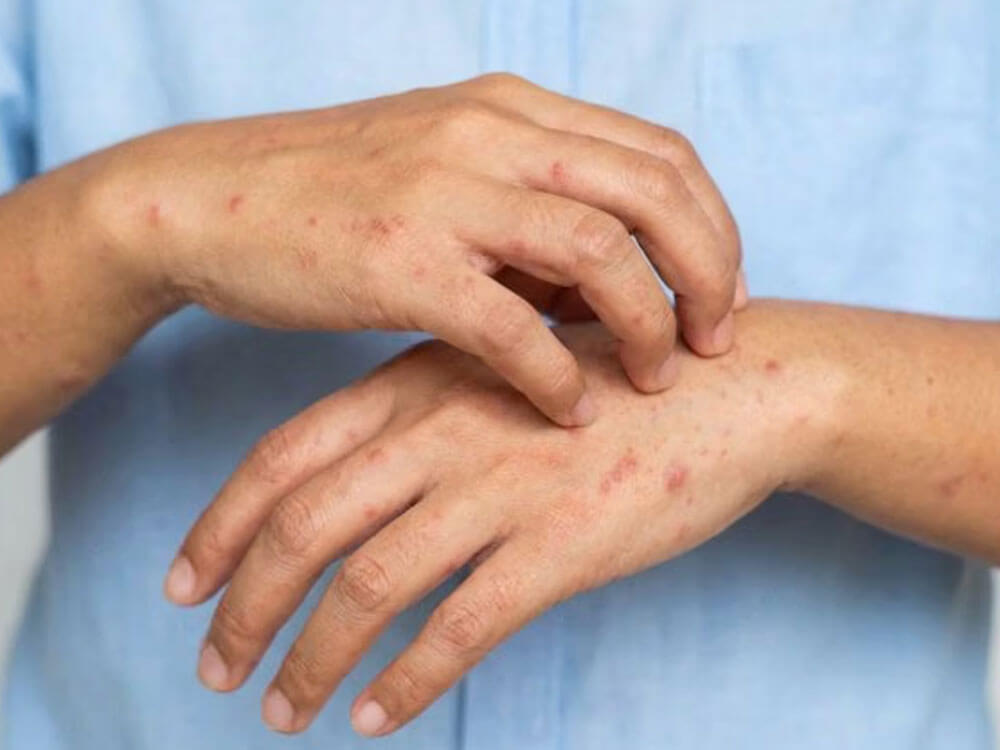
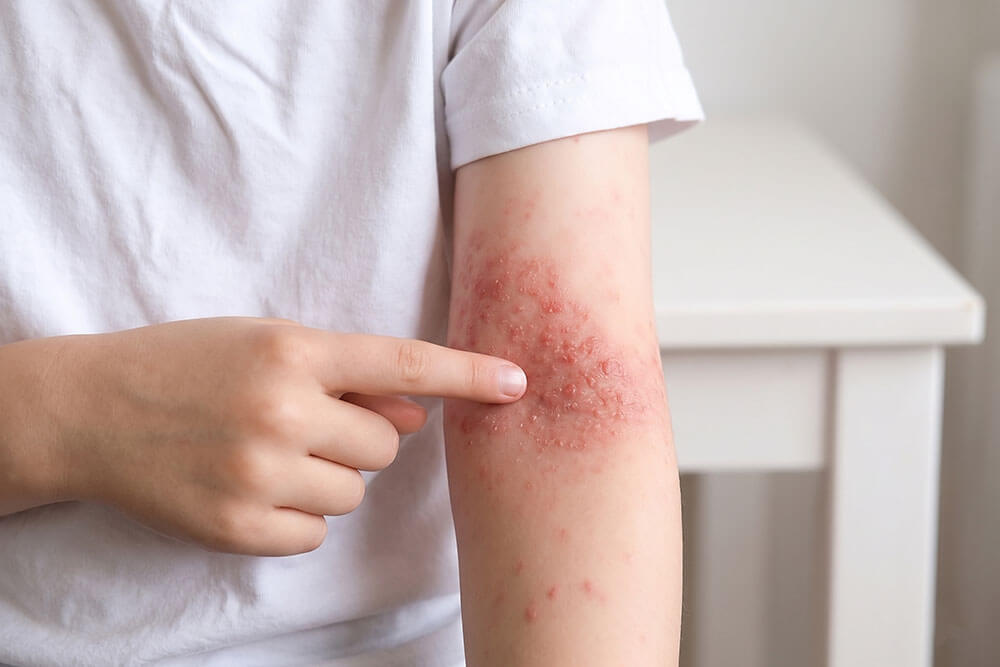
If you notice any of the following signs, please get checked early:
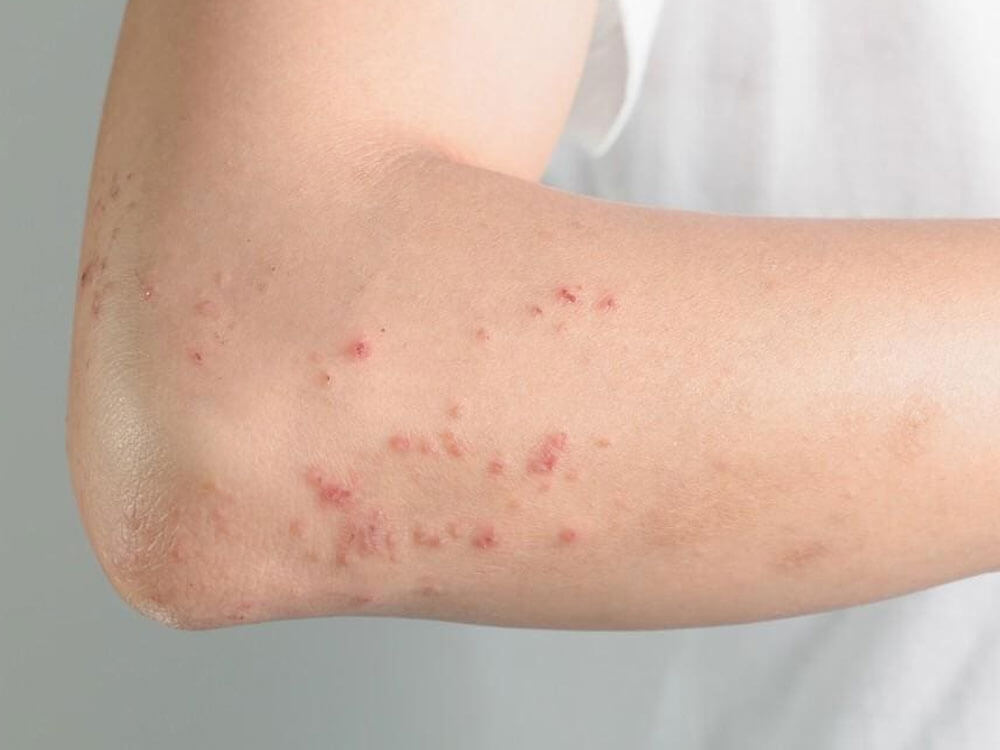
Many patients don’t come because of symptoms
— they come because they noticed small bumps and are unsure what it is.
We don’t just test.
We help you solve the problem with confidence.
Yes. All consultations, test results, and records are handled with strict confidentiality. Your privacy is fully protected.
Yes. Many STDs do not show symptoms in the early stage. Testing is the only way to be sure.
It depends on the infection. Some tests can detect early infections within days, while others may require a window period of 2–4 weeks. Our doctor will advise the best timing.
Most tests involve blood samples or urine tests, which cause minimal discomfort. Some swab tests may feel slightly uncomfortable but are quick.
Some rapid tests are available within 15–30 minutes. Other laboratory tests may take 1–3 working days.
No. Some symptoms may disappear, but the infection can remain in the body and continue to cause harm or spread to others.
Yes. Many STDs are fully treatable, especially when detected early. Some conditions like HIV can be well-managed with proper treatment.
Not recommended. Incorrect treatment may delay recovery, worsen the condition, or lead to complications. Proper diagnosis is important.
Yes. It is important for your partner to be tested and treated if necessary to prevent reinfection.
It is strongly advised to avoid sexual activity until treatment is completed and your doctor confirms it is safe.
– HIV: A virus that affects the immune system
– PEP: Emergency medication taken within 72 hours after exposure
– PrEP: Preventive medication taken regularly to reduce risk
PEP must be started within 72 hours after high-risk exposure, and the earlier it is taken, the more effective it is.
Doctor gives very detailed explanations and is very patient and knowledgeable. He takes time and care to ask many questions and conduct physical examinations to understand the patent’s condition and concerns better. His diagnoses are very clear. What I like most is how the approach is very all-rounded inclusive of relevant exercises and diet recommendations as opposed to just taking oral medication. I went there once for my knees and took my elderly mum there subsequently. Very happy with both the outcomes and experience. Highly recommend it.
I visited the clinic for the first time since my regular doctor at another clinic is on maternity leave. Dr. Winsor provided a thorough explanation of pain management and how to maintain good posture. The staff were very friendly and communicated with genuine care. Kudos to the team!
Thank you, Dr. Jiang, for your free clinic service, which has benefited more patients.
I appreciate his kind and warm explanation of my knee injury and his attentive examination of other parts of my foot, providing valuable insights and advice.
I want to thank him for his compassionate dedication.
Thank you for being there. 💕
The fees and medical conditions were explained very clearly, with no hidden charges. The service was also very good. I'd recommend this clinic to anyone who hasn't been here before and is looking for one. 🤭
Amazing and impeccable service. Fees are worth it, good and clean environment. Gave very good advice so that my illness does not come back and I make it a point to eat certain foods
Doc consultation shows alot patience and professional way to help me solve my problems. Big likes please support
If you’re looking for a reliable private healthcare clinic in KL, Rootheal Medical Clinic is here to serve you. Take the first step toward recovery—schedule a consultation with our doctors today and discover a better way to heal.
D-G-20, Fortune Avenue (Block D), Jalan Metro Perdana 3, Taman Usahawan Kepong, Off Jalan Kepong, 52100 Kuala Lumpur.
Copyright © 2026 Rootheal Medical Clinic. All rights reserved.